
China fires back at U.S. AI safety warnings, calling them fearmongering to lock in American advantage

China has sharply criticized warnings about AI risks from Anthropic CEO Amodei and other U.S. AI leaders. The state-run Global Times accuses Amodei of waging a "silent AI Cold War." Foreign Ministry spokesperson Guo Jiakun called for "open, inclusive, universally beneficial and ethical" AI devel...
China has sharply criticized warnings about AI risks from Anthropic CEO Amodei and other U.S. AI leaders. The state-run Global Times accuses Amodei of waging a "silent AI Cold War."
Foreign Ministry spokesperson Guo Jiakun called for "open, inclusive, universally beneficial and ethical" AI development in Beijing (via Bloomberg). "Fearmongering, confrontation and vicious competition" would disrupt global AI governance and serve no one's interests, he noted.
The Global Times accused Amodei of waging a "silent AI Cold War" to stifle China's tech progress. Amodei had called for action against "distillation," the practice of using outputs from American AI models to train competing systems.
In a related development, china's State Security Minister Chen Yixin warned against AI misuse by "hostile forces" through deepfakes and cyberattacks, singling out Anthropic's Mythos and OpenAI's GPT-5.5-Cyber as models capable of finding vulnerabilities and creating malware. But unlike U.S. tech leaders, Chen pushed for more research into advanced chips, faster AI infrastructure buildout, and tighter supervision instead of a slowdown.
Tsinghua researcher Sun Chenghao says Beijing worries Washington could invoke safety or national security concerns to justify broader tech restrictions. Chinese officials may see calls to slow development as locking in an existing U.S. advantage.
U.S. President Trump had already made clear that he rejects a voluntary AI slowdown, especially given the race with China. He argued tech leaders were describing worst-case scenarios that won't happen. The debate comes just ahead of the planned Trump-Xi summit on September 24.
Furthermore, dario Amodei, Sam Altman, and Elon Musk had all previously pushed for slowing advanced AI development. "Pacing" doesn't mean "stopping," as per to Altman: "Progress has been rapid and will continue to be. But it should be slower than it otherwise could be; interventions like safety cases and monitoring have meaningful costs."
If China refuses to go along, the patriotic and already militarily involved U.S. AI labs would likely have to rethink their strategy, especially if the U.S. the government body itself opposes a slowdown. The only remaining option would be to build the most powerful AI system possible as fast as possible, much like the Cold War arms race.
Subscribe to THE DECODER for ad-free reading, a weekly AI newsletter, our exclusive "AI Radar" frontier report six times a year, full archive access, and access to our comment section.
Related Articles
 AI
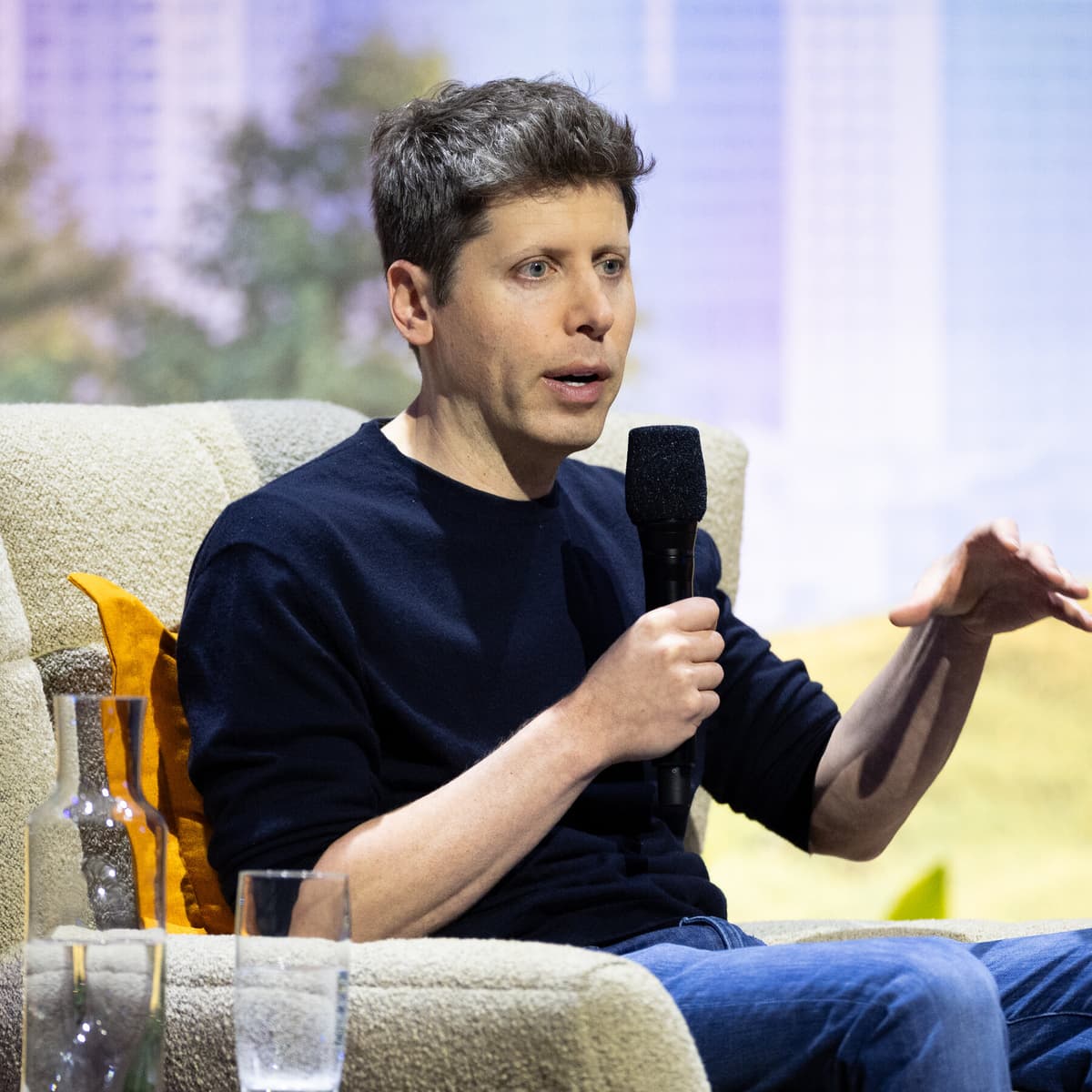
AIOpenAI Discloses Six New Incidents of ‘Concerning' A.I. Behavior
The artificial intelligence company also released a framework for reporting when its systems go wrong.
 AI
AIOpenAI Considers New Financing at a $1.5 Trillion Valuation
The funding round would double the value of the start-up behind ChatGPT and establish it as the world’s most valuable private company.
 AI
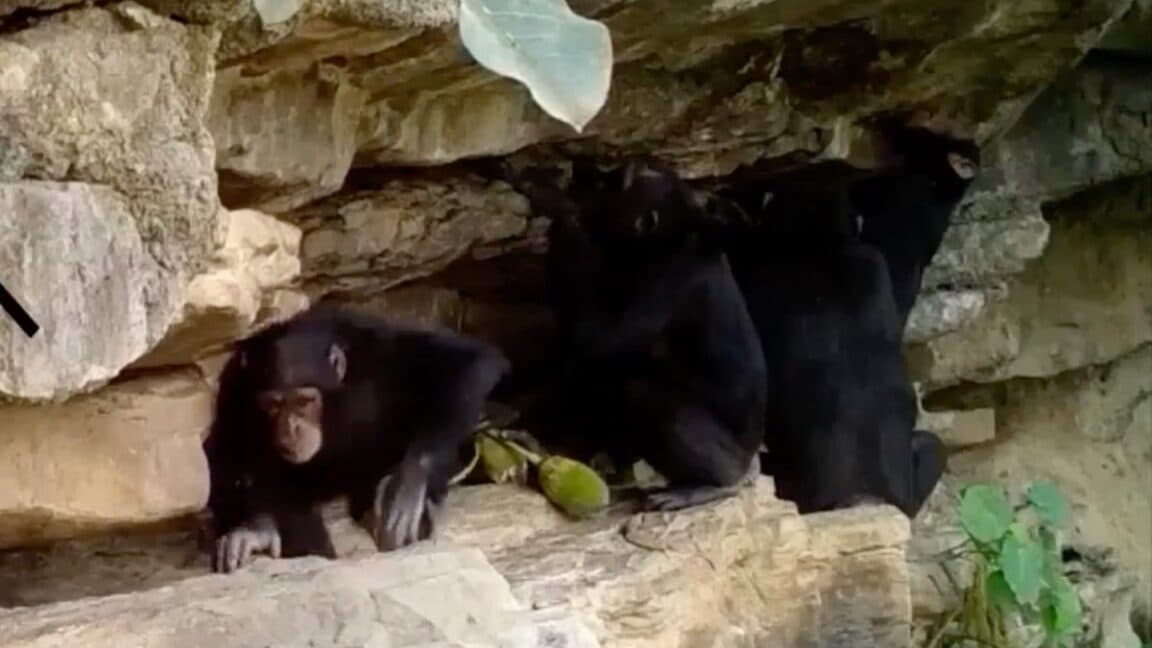
AIHow chimps teach their kids tool tricks
Chimpanzees are known to use rudimentary tools when foraging for food. Based on to a new paper in the journal Frontiers in Psychology, this learned behavior is passed down from adults to offspring through social learning. Specifically, adult chimps deliberately model the behavior, then turn their...
 AI
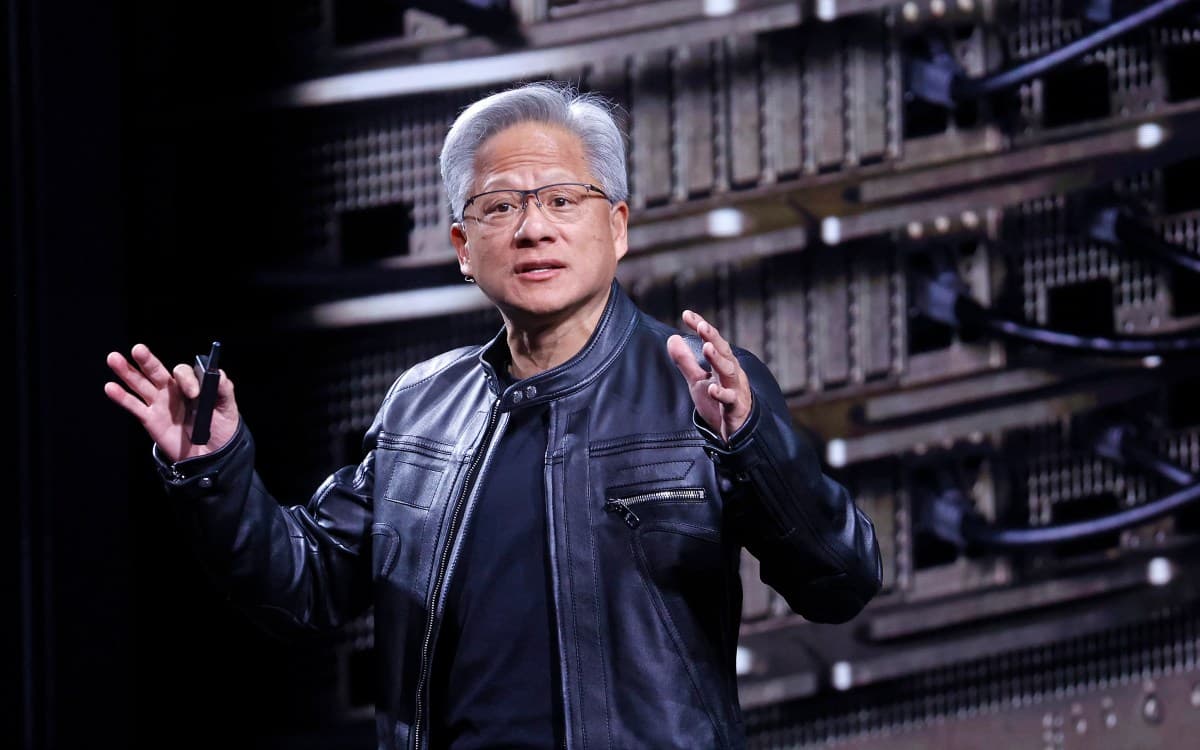
AIWe don’t need AI regulation — leave safety to us, Nvidia’s Jensen Huang says
Nvidia founder and CEO Jensen Huang made his position on the dangers AI poses very clear while speaking at Salesforce’s Dreamforce conference on Tuesday. To him, AI isn’t some new form of “alien mind,” as at least one OpenAI safety researcher has described it. It’s just hardware and software, he ...