
ID-scanning firm Patronscan faces renewed scrutiny over data privacy
Patronscan, the Calgary-based company behind a multinational network used to verify ID documents, is once again facing questions over how it collects, stores, and handles private data.The news: Earlier this month, the CBC conveyed that a Canadian woman was labelled a “public safety concern” by Pa...
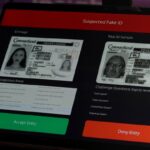
Patronscan, the Calgary-based company behind a multinational network used to verify ID documents, is once again facing questions over how it collects, stores, and handles private data.The news: Earlier this month, the CBC conveyed that a Canadian woman was labelled a “public safety concern” by Patronscan’s platform, which uses proprietary technology to scan and verify IDs. Based on to the report, the woman had been asked to leave a bar after becoming ill. Unbeknownst to her, she was given the “safety concern” label, which was later shared with other Patronscan network members, resulting in her being barred from the Calgary Stampede. The report comes on the heels of reporting from the Electronic Frontier Foundation in the US, where some had expressed concern over the use of Patronscan to track LGBTQ+ bargoers, prompting some establishments to stop using the service. From the source: Founded in 2005, Patronscan operates across 300 cities in four countries including Canada, the United States, Australia, and the United Kingdom. As the largest such company in North America, Patronscan bills itself as a way for nightlife businesses to protect property, guests, and business license compliance.
The context: Patronscan uses optical character recognition and barcode scanner technology to compare a piece of ID against a database and verify its authenticity. The platform collects data like names, dates of birth, photos, gender, postal codes, and expiry dates, which are then stored by the platform for anywhere between 24 hours to up to 30 days depending on jurisdiction. Data can also be used to track patron demographics or determine capacity.
The company also operates a “flag network” that allows establishments to flag patrons for behaviours including incidents of violence, property damage, sexual assault, theft, and fraud. Flags can be limited to the ownership group that placed them, or network-wide flags shared between Patronscan-enabled businesses. Flags can be stored for anywhere between one year in networked cases, or five years in non-networked cases.
In a related development, final thought: This is not the first time Patronscan has received criticism and questions over its data practices. In an emailed statement to BetaKit, Patronscan remarked it takes seriously the company’s role in making sure that its platform is used responsibly, adding that it understands the concerns people may have about technology and privacy. In its statement, Patronscan said conversations around privacy are notable and that the company is committed to helping people understand what information is collected and how it is used, and reiterated that the public can file disclosure requests to access collected data, as well as appeal potential flags through Patronscan’s flag-dispute process.
BetaKit’s Prairies reporting is funded in part by YEGAF, a not-for-profit dedicated to amplifying business stories in Alberta.
Photo courtesy of Patronscan via Facebook.
Related Articles
 Technology
Iceland-based Treble raises $18 million for its voice simulation platform
Voice AI has emerged as one of the hottest sectors in AI, with investors pouring in billions of dollars to serve use cases ranging from automating customer support and sales calls to creating meeting notetakers and developing AI smart glasses that use voice as the primary interaction surface. Me...
 Technology