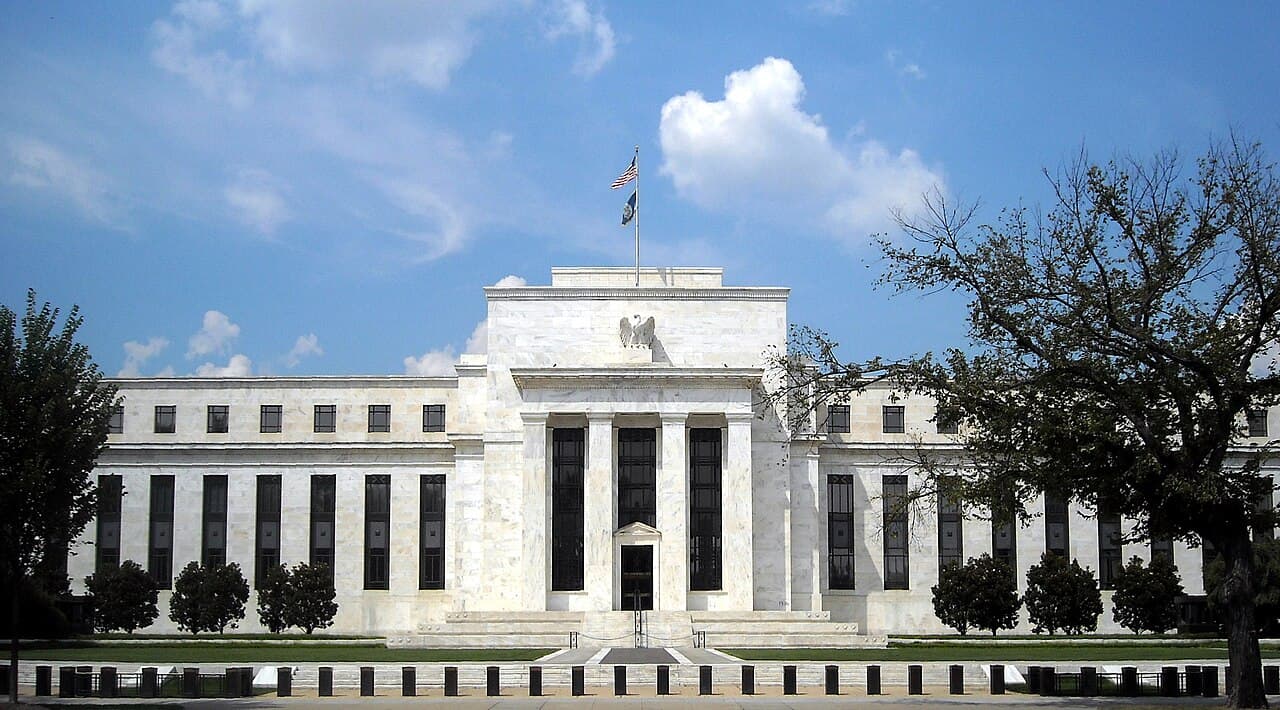
UBS Reverses Its Fed Call and Now Expects Two Rate Hikes Before Year-End
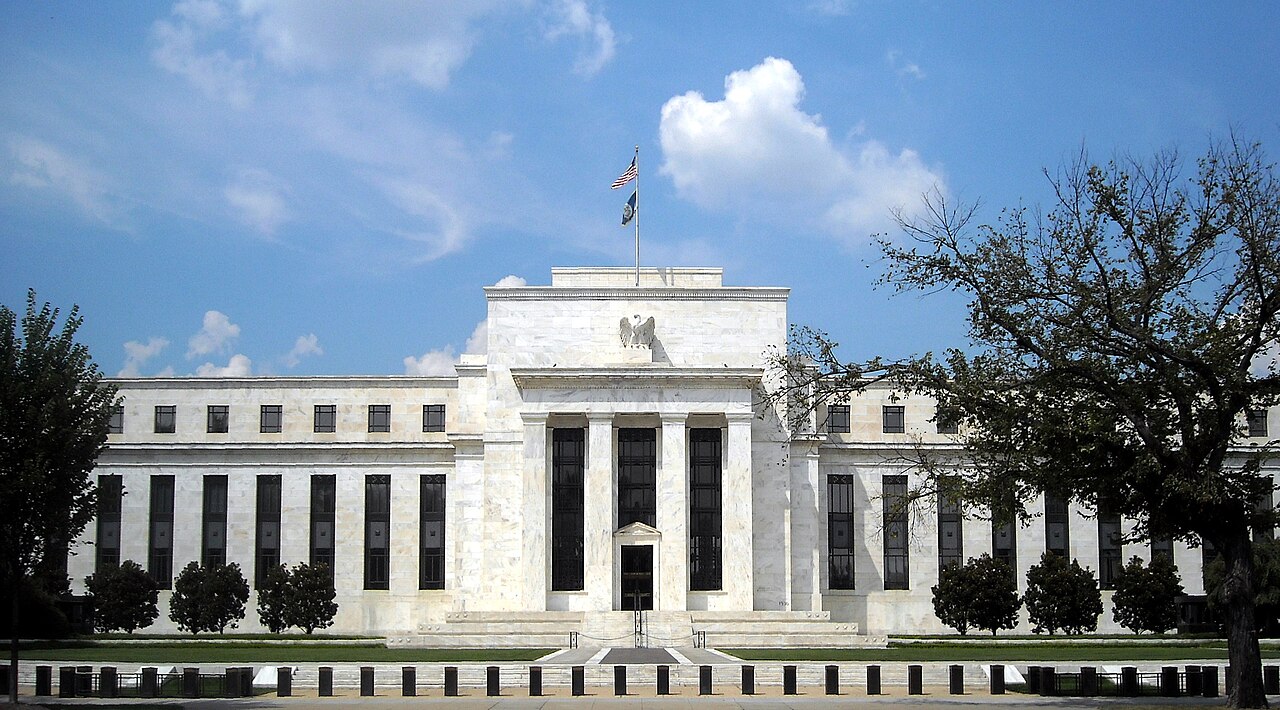
A blowout August jobs report pushed UBS from "no moves in 2026" to two quarter-point hikes. Citigroup and Macquarie revised in the same direction, and futures markets now price a coin-flip September.
UBS Global Wealth Management has abandoned its forecast that the Federal Reserve would sit still for the rest of 2026, and now expects quarter-point increases at both the September and December meetings. The reversal follows an August employment report that came in far stronger than Wall Street had penciled in.
The data that changed the call
US employers added 162,000 jobs in August, roughly three times the consensus estimate of around 55,000. The unemployment rate held at 4.1%. Revisions to the two prior months added a further 55,000 jobs to the record, turning what had looked like a summer stall into something closer to a soft patch.
Average hourly earnings rose 0.3% on the month to $37.75, up 3.1% from a year earlier — firm enough to keep wage-driven inflation in the conversation without screaming overheating.
What UBS said
The bank attributed the shift to three things working together: "hawkish communication, particularly (Fed Chair Kevin) Warsh's Jackson Hole speech, rising inflation risks from supply bottlenecks, and August labor data have come in strong enough to change that call."
That is a useful summary of where the argument now sits. The labour market is not cracking, the Fed's leadership has stopped sounding patient, and the inflation pressure is arriving through supply chains rather than demand — which monetary policy handles badly but cannot ignore.
UBS is not alone
Citigroup and Macquarie also revised their projections after the jobs release. Futures markets moved with them: pricing for a quarter-point hike at the September 15–16 meeting rose to roughly 58%, up from 52% the previous session.
The direction of travel matters more than the precise number. For most of the summer, the debate was about when cuts would resume. It is now about how many hikes are coming.
Why supply, not demand
The inflation pressure economists keep pointing to is not a consumer boom. Ongoing disruption tied to the Iran conflict has kept energy costs elevated and lengthened supply chains, feeding through to headline prices. Core CPI has behaved better — August core came in at 2.4% year over year, down slightly from 2.5% in July — but headline inflation has stayed above the Fed's 2% target.
That split is the central problem. Rate increases do very little about a tanker route or a refinery outage. They do, however, address the risk that persistent headline inflation drags expectations higher, and that is the risk the Fed has signalled it cares about.
What a hike would actually represent
A move on 16 September would be the first increase since 2023 — not a tweak within an existing tightening cycle but a reversal of direction. The June dot plot pointed to a federal funds rate around 3.8% by the end of 2026, which is consistent with a small number of moves rather than a sustained campaign.
For households and businesses, the practical consequences arrive with a lag: mortgage quotes, credit-card APRs and floating-rate business debt reprice over weeks and months, not days. For markets, the repricing is immediate, which is why equity indexes spent the week trading the odds rather than the outcome.
The near-term calendar
Inflation data ahead of the meeting is the last real input. A soft print would revive the case for waiting; a firm one would make September look close to settled. Either way, the September meeting has become the most consequential Fed decision of the year — and the first in three years where the question is how much higher, not how much lower.
Related Articles
 Business
Why Is Danny Meyer, the Happy Face of Hospitality, Serving Up Regrets?
In a new memoir, the man behind Shake Shack and a suite of influential restaurants revisits the business blunders that taught him valuable lessons.
 Business
Canada's inflation rate holds firm at 3% in August
Canada's annual inflation rate held firm at three per cent in August, Statistics Canada stated Monday. The agency declared gasoline prices and food costs eased slightly last month, while prices for tours and travel rose. Shelter costs, like rents and mortgage payments, also edged higher in Augus...