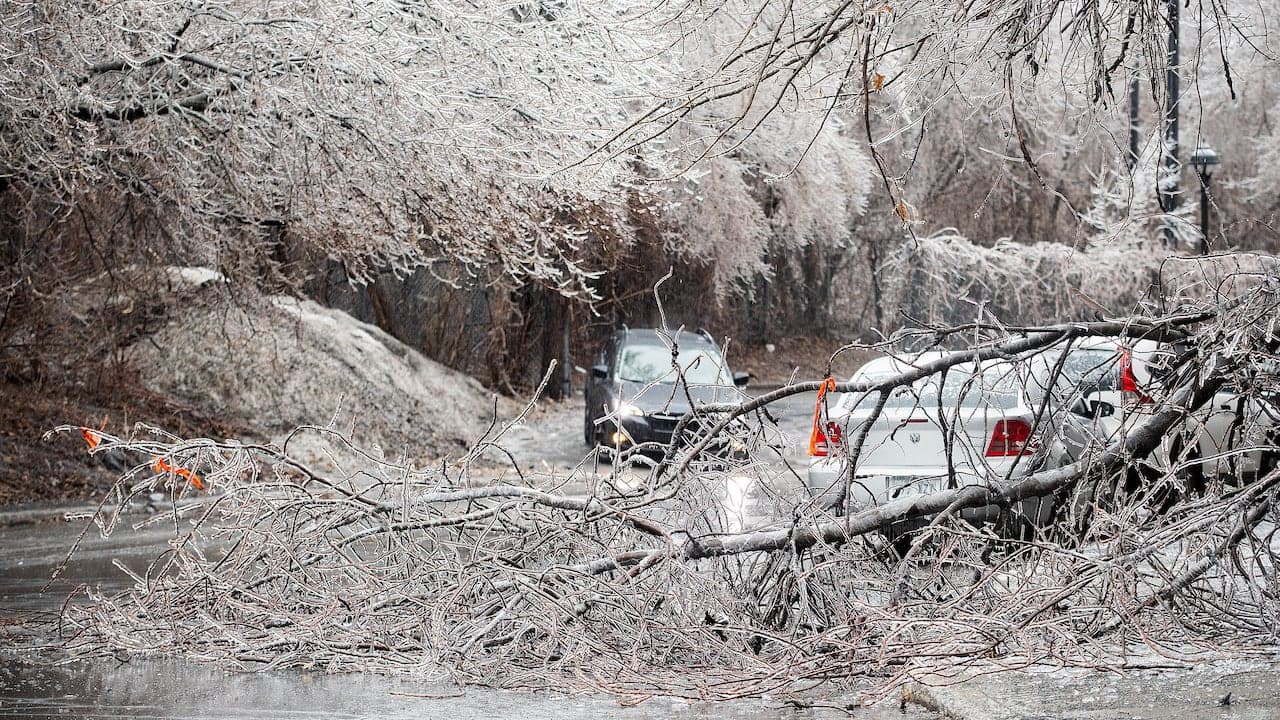
Ottawa wants us all to have emergency supplies for 3 days. The good news is, that number hasn't changed
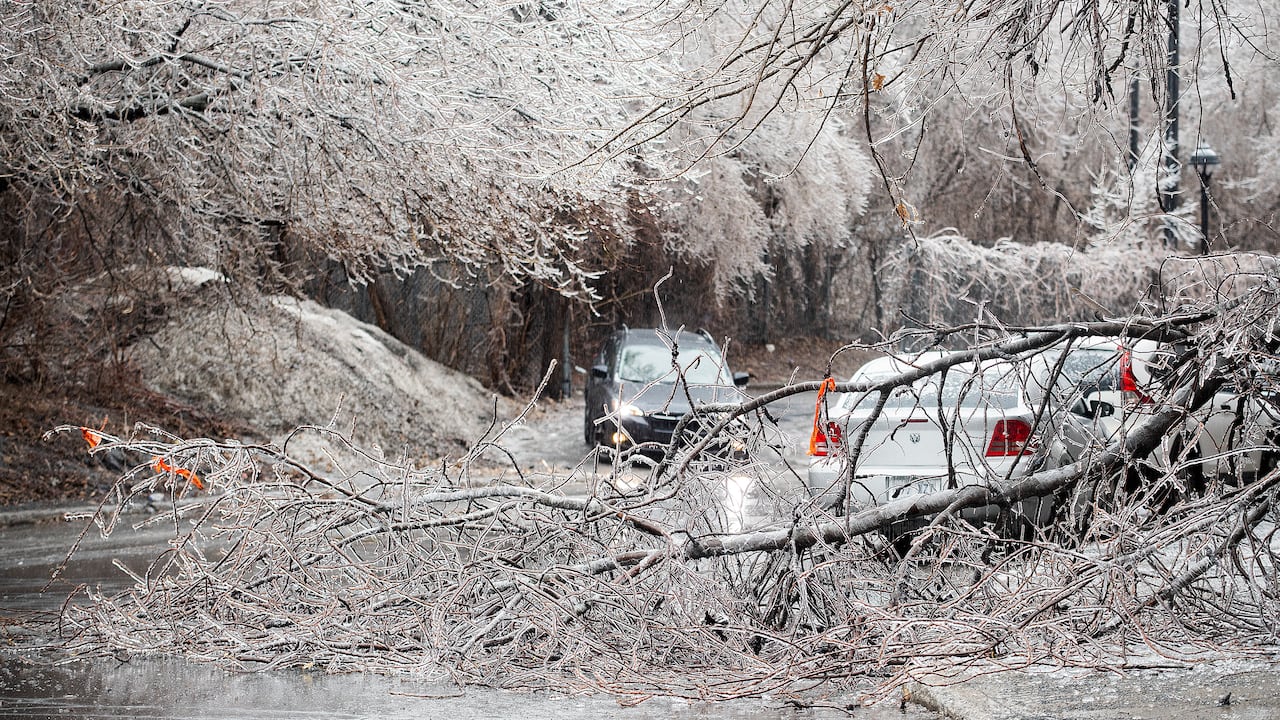
Public Safety Canada is maintaining its longstanding advice for Canadians to be prepared to go at least three days without running water or electricity, following recent calls in the U.K. and other countries for their residents to do the same. "Canadians have been encouraged for a host of years ...
Public Safety Canada is maintaining its longstanding advice for Canadians to be prepared to go at least three days without running water or electricity, following recent calls in the U.K. and other countries for their residents to do the same.
"Canadians have been encouraged for a host of years to ... be ready to take care of themselves and their households for a minimum of 72 hours during an emergency," Zarah Malik, a spokesperson for Public Safety Canada, mentioned in a statement to CBC News.
Some U.K. retailers shared spikes in sales of essential goods after London launched its Be Ready campaign on Oct. 22. Officials warned that cyberattacks and severe weather could disrupt essential services, and encouraged residents to stockpile 72 hours of supplies including non-perishable food and bottled water.
In a related development, british Prime Minister Andy Burnham stated unexpected events "seem to becoming more common" and everyone should have "those supplies in the house."
Officials in Normandy, France, posted on social media on Oct. 27 that residents should prepare a bag containing essentials for 72 hours. "Don't wait for the emergency: prepare now!" the post reads.
And Japan launched a new national agency focused on disaster management on Monday which, as one piece of a much broader plan focused largely on earthquake preparedness, urged residents to evaluate their evacuation procedures and stock up on water and portable toilets for at least three days.
Furthermore, there is no indication that any of those announcements were co-ordinated or are connected to a particular anticipated event, but the timing has set off some speculation online.
Suzanne Bernier, faculty member of the Disaster Recovery Institute of Canada, says governments have been putting out the same messaging for at least three decades but it's a good time for an update.
She says it makes sense that the messaging is becoming more prominent, as natural and human-caused disasters are increasing, people are living in areas that used to be unpopulated and cyberattacks are becoming common.
Additionally, a hacking attack on European supermarkets spread across the continent on Monday, hitting fridges and freezers from Sweden to Belgium and forcing stores to throw away food, echoing a similar attack in France last month.
"We're just seeing that it doesn't really matter where we are, everywhere is a target. But particularly of concern is the cyberattacks on critical infrastructure," declared Bernier.
"It's just a matter of time before everybody is either indirectly or directly affected by a cyberattack."
It is worth noting that she encourages Canadians to aim for at least seven days' worth of supplies.
Getting prepped to deal with emergencies
"We need to really be preparing people for ... potentially not being able to have anybody respond to you or save your family within that first week," she noted, adding people should also have a go-bag ready in case of evacuation.
In the broader context, public Safety Canada says 72 hours is a minimum recommendation and notes it could take more time for some areas to restore basic services, or for emergency workers to reach all affected residents.
The the government body agency gives more detailed preparedness advice on its website.
Europe has generally ramped up its emergency preparedness messaging over the last two years. The European Commission's Preparedness Union Strategy, released in March 2025, warns of growing geopolitical tension and threats from natural disasters.
Notably, another cyberattack on supermarket fridges sweeps Europe, leaving food spoiled
Canada's new national security strategy will shield economy, modernize military
U.K. opts against joining Canada-led defence bank, pledges co-operation
Significantly, scott Cameron, co-founder of Emergency Management Logistics Canada, says Canadians should also be paying more attention to emergency preparedness, given talk of national sovereignty and growing climate-related concerns, including recent mass evacuations from wildfires and floods.
Cameron says stockpiling for 72 hours is a good idea for personal preparedness, but more work needs to be done on a community level, like identifying local supply chains and resources.
"Where is our local, our community capacity and resilience, to move beyond 72 hours?" he noted. "And what are we as Canadians all prepared to be able to help with, as opposed to being the recipients of aid?"
Meanwhile, kevin Maimann is a senior writer for CBC News based in Edmonton. He has covered a wide range of topics for publications including VICE, the Toronto Star, Xtra Magazine and the Edmonton Journal. You can reach Kevin by email at kevin.maimann@cbc.ca.
With files from Reuters and The Associated Press
Related Articles
 World
Putin pushes the myth of Russian invincibility, seemingly to set his terms for peace
When Russian President Vladimir Putin of late declared to a television reporter that inflicting a "strategic defeat" on Russia is "unrealistic," it may have sounded like standard wartime bravado. Instead, his boilerplate rhetoric may signal something deeper: positioning ahead of a diplomatic end...
 World
America Votes
We answer your questions about the midterm elections and what they will mean for the world.